Trump Is Confused Why Iran Won’t Allow Him to Dictate Terms to Them
With Donald Trump making threats again on Thursday and Iran rejecting his terms of surrender, there is little reason for optimism that the war will end soon.
|
Listen To This Story
 |
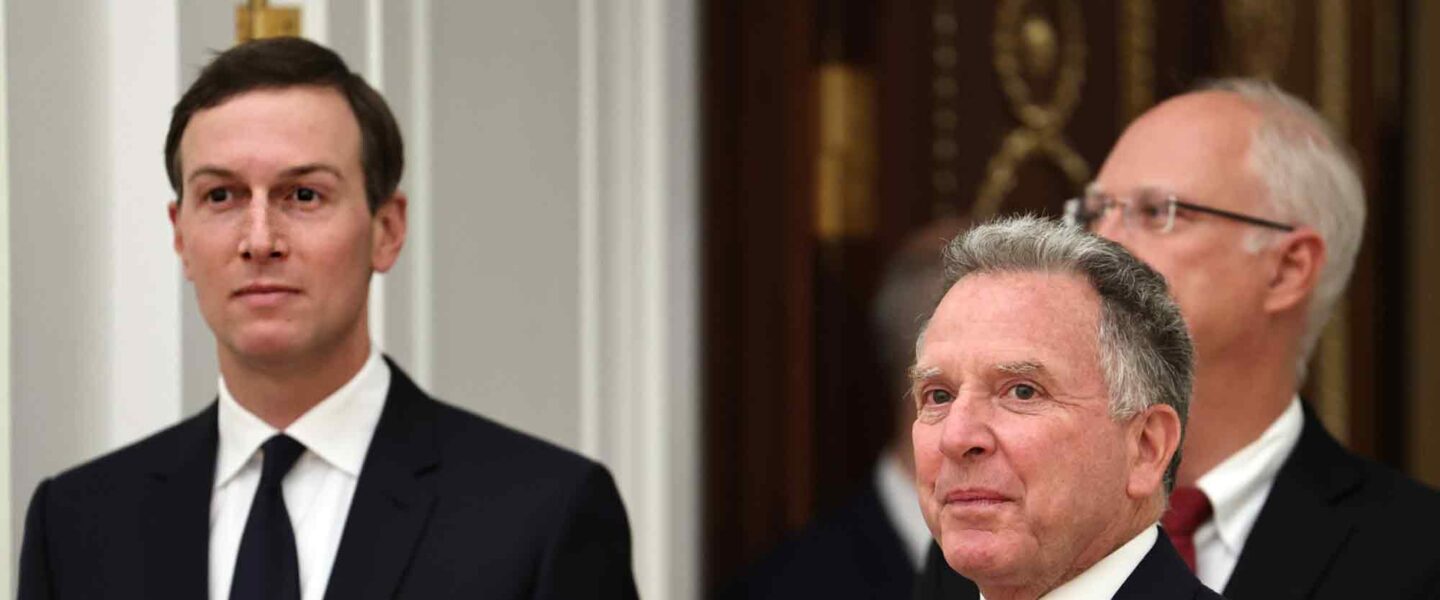
Donald Trump woke up on Thursday befuddled by the state of negotiations between Iran and his crackerjack team of seasoned diplomats, i.e., his son-in-law and some real estate developer he knows.
“The Iranian negotiators are very different and ‘strange,’” the president wrote in a social media post. “They are ‘begging’ us to make a deal, which they should be doing since they have been militarily obliterated, with zero chance of a comeback, and yet they publicly state that they are only ‘looking at our proposal.’”
While Trump is right about the military dominance of the US-Israeli alliance that started the war, it should not be surprising that Iran isn’t eager to strike a deal with him.
First of all, as we pointed out, the US president is an unreliable partner, to put it mildly, and much more likely to renege on any agreement that is reached than abide by it.
Then there are the terms Trump is offering. Essentially, he wants Iran to give up any military and economic leverage it has in return for some sanctions relief. Therefore, it is hardly surprising that the regime in Tehran isn’t enthusiastic about his dictate.
While their country is getting pummeled, they are not the ones desperate to end this conflict. Neither is Israel, which will happily take all those American weapons and keep bombing Iran and invading Lebanon.
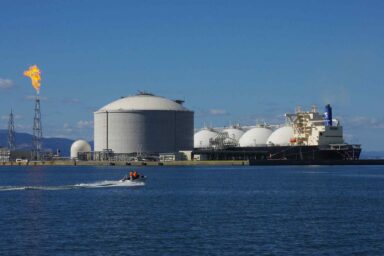
Instead, it is the US president who is most in need of reaching some sort of resolution that results in the Strait of Hormuz opening.
Otherwise, his poll numbers will continue to crater and prices will keep going up for Americans already having trouble making ends meet.
A month into the conflict, it should be clear that this war will not be won militarily — at least not unless Trump chooses to use overwhelming force, which would be unpopular, expensive, result in more American blood being shed, and cause massive economic carnage.
And while the president keeps making wild threats, including on Thursday morning when he warned Iranian negotiators to “get serious soon, before it is too late, because once that happens, there is NO TURNING BACK, and it won’t be pretty,” Tehran does not seem overly impressed by any of them so far.
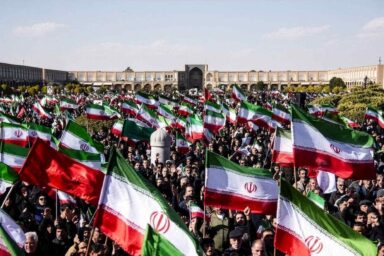
On the one hand, that’s because the regime knows that it maintains the ability to cripple the global economy by attacking its neighbors and keeping the Strait of Hormuz closed. On the other hand, it also isn’t concerned that it will be toppled from within.
At the start of the war, the US and Israel had hoped that their superior firepower and the pain and economic hardships they were inflicting might cause Iranians to rise up against the Islamic regime.
Now, however, it is clear that this isn’t going to happen… at least to the Israelis, who are publicly calling for an uprising but have privately acknowledged that this would lead to the slaughter of Iranians courageous/foolish enough to take to the streets.
Perhaps the notion of regime change was always a pipe dream, or perhaps it might have worked had the war not started with the US killing more than 100 elementary school girls. At that point, you don’t need to be a master propagandist to make the attackers out to be the bad guys.
Therefore, it is hardly surprising that the regime in Tehran isn’t budging. If anything, its hardliners are now more firmly in control than at the start of the year, when they reacted to mass demonstrations by killing thousands of peaceful protesters.
In fact, the way things are going right now, “regime change” seems more likely in the US.
Even before Trump embarked on an unpopular conflict that is causing prices to soar (with the Republican majority in Congress just looking on and hiding behind the semantics of whether this war is actually a war), the American people were already poised to sweep the GOP out of power in November.
With every day that the war drags on, that outcome becomes more likely and the margin of the prospective Democratic victory larger.
Finally, if we have learned anything over the past year, it’s that appeasement doesn’t work and that the only way to effectively respond to Trump’s attempts to bully friends and foes alike is to fight back.
And that’s what Iran is doing.
So where does that leave us now that the parties are at least talking about a negotiated peace, even though their respective ideas of what that would look like are wildly divergent?
The most likely scenarios are maintaining the status quo, i.e., the US and Israel continuing their low-risk bombing campaign and Iran responding by attacking its neighbors and locking down the Strait while the global economy suffers; a massive escalation of the war, which would be really bad for all involved; or for Trump to find an off-ramp that allows him to end the conflict while claiming victory and saving face.
While the last option seems to be the most desirable, certainly for the rest of the world, we can’t say that we are feeling optimistic about the prospect of the president making the right decision for once.