Iran Paradox: Ceasefire Feels Like a Win Even Though Everybody Loses
Since neither the US nor the Iranian governments can be trusted to tell the truth, it is unclear what is in the ceasefire agreement and whether it can last. One thing is certain already, however, which is that this war had plenty of losers and no winners.
|
Listen To This Story
 |
Wars are almost always folly, and their costs are hardly ever borne by the (usually) men who start them. The first part is definitely true in the case of the current conflict in the Middle East, which has to be among the most pointless wars ever fought. As for the second, it remains to be seen which price the two main protagonists of this boondoggle, US President Donald Trump and Israel’s Prime Minister Benjamin Netanyahu, will ultimately have to pay. Before we get to that, however, let’s take stock of the winners and losers of the war now that all sides have (maybe) agreed to stop fighting for a couple of weeks to lick their real and metaphorical wounds.
Winners: None
Well, that was easy.
Maybe a case can be made that a winner of the war is the US military (at least the part not responsible for bombing an elementary school and killing more than 100 girls). Then again, its superiority was never in doubt. However, the “highlight” of the conflict was a daring rescue mission to get a couple of downed aviators out of Iran, which will surely have a positive effect on recruitment.
Also, Pope Leo acquitted himself well with his strong rebuke of Trump’s outlandish and insane threats.
Losers: Everybody else
And we are not just talking about the warring parties. We mean just about everybody on our planet.
But let’s start with Iran. In the coming hours and days, there will be pundits who will declare Tehran as the winner of this conflict because it looks as though a version of the Islamic regime will remain in place (and possibly without having to give up its enriched uranium).
Perhaps most importantly, Iran got to exert its control over the Strait of Hormuz, which will give it enormous leverage (and an amazing revenue source) down the road. Also, its oil is worth a lot more now.
While Trump said that Tehran’s 10-point plan is a “workable basis” for negotiations, we wouldn’t put too much stock in that statement because it includes the lifting of all sanctions and would require US combat troops to leave the region.
Therefore, we are not holding our breath, especially because it appears as though Israel is unwilling to stop attacking Lebanon, which would be one of the conditions for an end to the conflict, according to Tehran.
If, and that is a huge if, Iran gets everything on that list, it would certainly be viewed as the winner of the overall conflict, but we cannot fathom a scenario in which the US and Israel will agree to all ten items.
That is why, for now, Iran is also one of the losers. It lost a bunch of its leaders as well as a lot of its military capabilities, sustained heavy damage to its infrastructure, and suffered more than 1,500 civilian casualties.
Also, it’s not difficult to imagine that Netanyahu will be able to talk the erratic Trump into attacking again, so the threat of facing an overwhelming force will keep hanging over the heads of the new Iranian leaders.
Next up is the US, which wasted a lot of money on an unnecessary conflict that did absolutely nothing to make Americans safer. Trump paid an even higher price in his declining favorability at home and in terms of isolating the United States further on the international stage.
Even if the ceasefire holds, Americans will keep seeing higher prices for weeks and months to come, which does not bode well for the GOP heading into the midterms. In addition, it’s tough to see how Trump can sell this deal as a win to Americans if Iran keeps its uranium and controls the Strait of Hormuz, which was previously open.
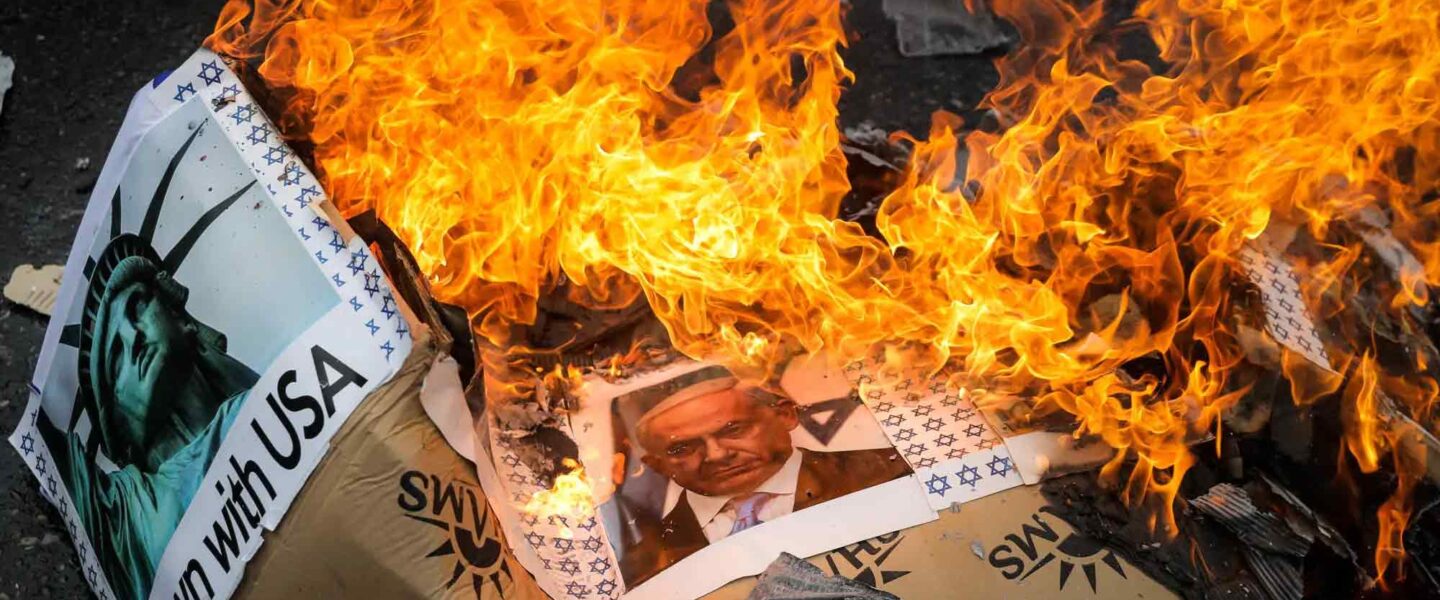
Then there is Israel. The Netanyahu regime is turning the country into a global pariah. That is especially problematic in the US, which provides Tel Aviv with weapons and money.
According to a new poll, a whopping 60 percent of Americans have an unfavorable view of Israel. The numbers among young people are even worse, and we are headed in a direction where providing further assistance to Tel Aviv will be a nonstarter for Democrats.
The rest of the region, especially Lebanon, which is serving as Israel’s latest punching bag, has also suffered mightily from the war. Iran, unable to compete with the US military, targeted the infrastructure of its neighbors and caused heavy damage that will take years to repair in some cases.
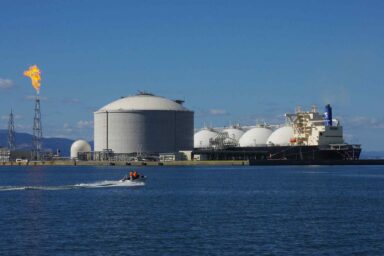
As a result, just about everybody else on the planet also loses because the price of oil skyrocketed for a few weeks (and will likely remain elevated for some time). At the same time, the blockade of the Strait of Hormuz also made other vital products, such as fertilizer, more expensive, which will have an inflationary effect.
While most Americans may not have realized this, a lot of countries, especially in Asia, which is heavily dependent on oil and gas from the Middle East, felt the brunt of these higher prices and already began rationing gasoline.
In addition, the high cost of diesel caused some businesses, including in the agricultural sector, to temporarily shut down. This is another aspect of the war whose impact will be felt for some time.
And yet, even though everybody lost in this futile endeavor, it still seems as though it could have been much worse in light of Trump’s crazy threats and the GOP’s unwillingness to stop him in any way.
Of course, if the sides can’t agree to terms for a lasting peace, and/or if the ceasefire falls apart, which could happen at any moment, it may still turn out that way.