In Public Rift With Allies, Trump Rips Israel for Attacking Iranian Gas Field
In order to limit the rise of oil prices, the US has refrained from attacking Iran's energy sector. Israel, on the other hand, has shown no such restraint and has now been chastised by Trump.
|
Listen To This Story
 |
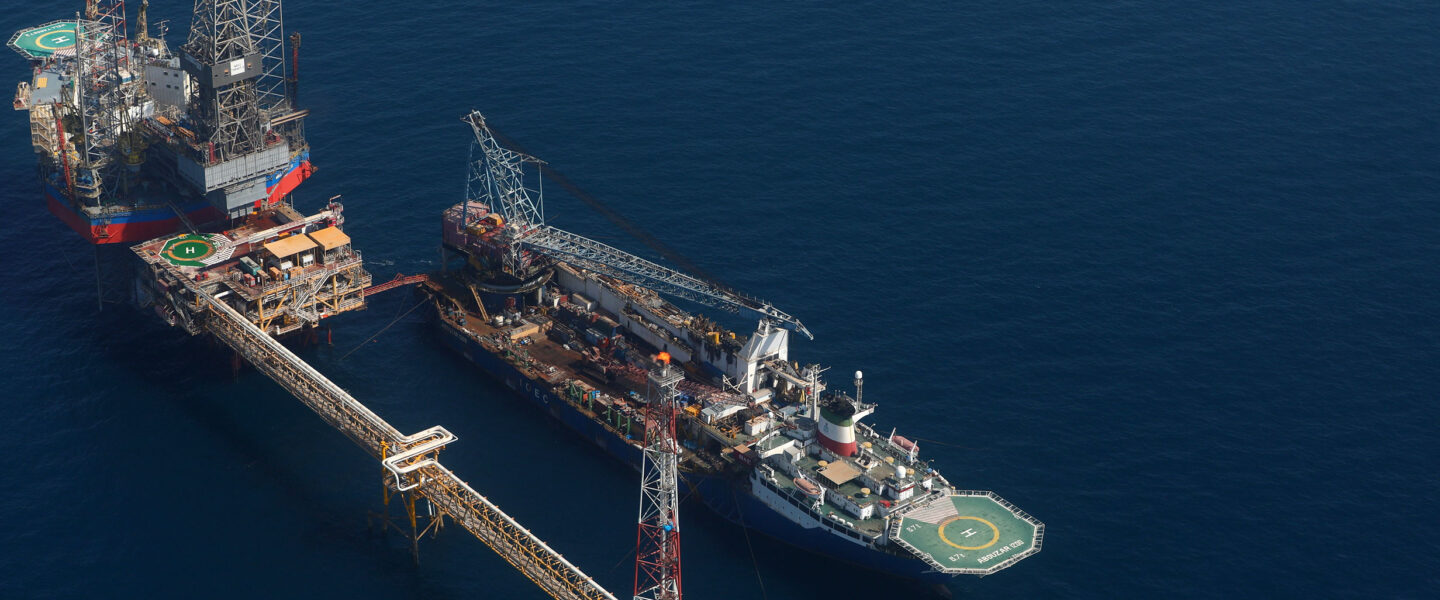
In the first public sign of dissension between the US and Israel in the wake of their decision to attack Iran, Donald Trump on Thursday night criticized Tel Aviv for targeting a major Iranian gas field, which led to a retaliatory strike on a facility in Qatar.
“Israel, out of anger for what has taken place in the Middle East, has violently lashed out at a major facility known as South Pars Gas Field in Iran,” the president said in a social media post.
Trump, who is concerned about the impact the war he launched with Israel against Iran has had on the economy and, in particular, energy prices, was quick to point out that neither the US nor Qatar was involved, and even forgave Iran for retaliating.
“The United States knew nothing about this particular attack, and the country of Qatar was in no way, shape, or form, involved with it, nor did it have any idea that it was going to happen,” he stated. “Unfortunately, Iran did not know this, or any of the pertinent facts pertaining to the South Pars attack, and unjustifiably and unfairly attacked a portion of Qatar’s LNG [liquefied natural gas] Gas facility.”
You can say what you want about the attacks on Iran, but it seems clear that Trump would like to limit damage to the country’s infrastructure, especially that pertaining to its energy sector.
While he has repeatedly threatened Tehran with causing the kind of destruction that would take years to repair, he seems to be mindful of what that would do to the economy, especially if Iran were to then strike similar targets elsewhere in the Middle East.
For example, after Qatar announced that a missile attack on its Ras Laffan Industrial City caused “extensive damage,” the price of oil surged nearly 10 percent. This means that a barrel of Brent crude now costs about 70 percent more than at the start of the war.
That, in turn, has caused gasoline prices in the US to spike, which is a major political problem for Trump, who pledged to lower costs but has not delivered on that promise. In fact, due in part to the rising cost of gasoline, inflation is expected to go up noticeably this month.
Israel, on the other hand, has shown very little restraint when it comes to attacking its enemies and others in their vicinity, including civilians.
In Gaza, Israel has killed tens of thousands of Palestinians since it was attacked by Hamas terrorists in October of 2023.
In the current conflict, the death toll is quickly rising. In addition to the 13 American troops that have died so far, more than 1,400 have been killed in Iran and almost 1,000 more in Lebanon, which Israel is attacking on its own. Iran’s counterattacks have killed at least 17 people in Israel.
In addition, Tel Aviv has also destroyed Iranian oil depots, which has triggered a major environmental disaster.
However, these (mostly) civilian casualties are not mentioned in Trump’s post.
Instead, the president assured Tehran that “NO MORE ATTACKS WILL BE MADE BY ISRAEL pertaining to this extremely important and valuable South Pars Field unless Iran unwisely decides to attack a very innocent, in this case, Qatar.”
If Iran does not comply, Trump said he would “blow up the entirety of the South Pars Gas Field,” which would undoubtedly lead to a further spike in energy costs.
It is unclear whether the threat is working. On Thursday, Tehran also hit one Saudi and two Kuwaiti refineries.