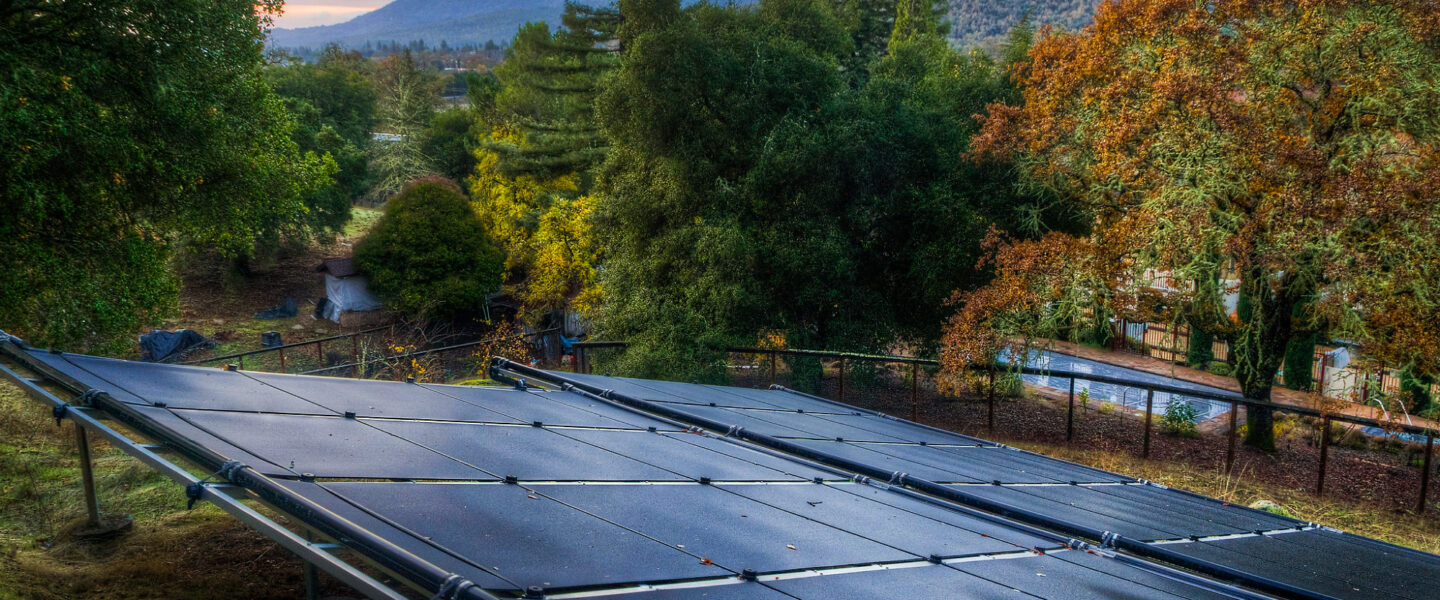
Solar Power Dominates 2025’s Newly Installed Generating Capacity
PICKS are stories from many sources, selected by our editors or recommended by our readers because they are important, surprising, troubling, enlightening, inspiring, or amusing. They appear on our site and in our daily newsletter. Please send suggested articles, videos, podcasts, etc. to picks@whowhatwhy.org.
|
Listen To This Story
 |
Solar Power Dominates 2025’s Newly Installed Generating Capacity (Maria)
The author writes, “[Last week], the International Renewable Energy Agency released its numbers on what was built in 2025. And much as we saw in the U.S., solar power is the primary driver of change. The numbers show that the world installed an average of 1.4 gigawatts of solar capacity every day last year, for a total of 511 GW … making it the largest single source of renewable capacity by far.”
Polymarket Pulls Bet on Fate of US Pilot Missing in Iran Amid Uproar: ‘Dystopian Death Market’ (DonkeyHotey)
The author writes, “Prediction market giant Polymarket pulled a bet on the fates of the U.S. pilots who were shot down in Iran after uproar led by a Democratic congressman who branded the company a ‘dystopian death market.’ … A screenshot posted Friday by Democratic Rep. Seth Moulton of Massachusetts, a veteran who served in Iraq, showed that Polymarket was taking wagers on when the ‘U.S. confirms pilots rescued by…?’ Polymarket said it removed the bet ‘immediately’ in response to Moulton and others who shared their outrage.”
ICE Detention Deaths Are on a Record Pace. One Texas Facility Bears the Brunt (Dana)
From NPR: “A long paved road, flanked by desert sand, leads to the big white tents usually housing some 3,000 immigrants, with beds for up to 2,000 more. The Immigration and Customs Enforcement detention center is located on the grounds of the U.S. Army’s Fort Bliss military base and is known as Camp East Montana. Opened in August 2025, it’s currently the largest immigrant detention center in the U.S. and one of the facilities with the most detainee deaths. Out of 25 people who died in ICE detention since October, three of them were at Camp East Montana.”
States Are Lifting Bans on Nuclear Power (Laura)
From Canary Media: “The United States is racing to restore the might of its once-great nuclear sector and build new reactors to meet surging electricity demand and compete with China and Russia. It’s been a rapid change: A decade ago, at least 16 states restricted construction of new nuclear power plants, a legacy of the lasting reputational damage from Three Mile Island, America’s only major civilian nuclear accident. Five states — Wisconsin, Kentucky, Montana, West Virginia, and, most recently, Illinois — have fully lifted their moratoria since 2016. Others are loosening the reins.”
Chromebook Remorse: Tech Backlash at Schools Extends Beyond Phones (Russ)
The author writes, “No more YouTube or video games on school laptops. Textbooks and pencils are back. Some seventh graders say they prefer learning offline.”
A 5,000-Year-Old Bacterium Awakens From the Ice in a Cave in Romania, Revealing Something Disturbing (Reader Jim)
The author writes, “What happens when a microbe from 5,000 years ago meets some of the strongest drugs on today’s hospital shelves? In an underground glacier in Scărișoara Ice Cave, scientists have just found out, and the answer is unsettling as well as hopeful. A team from the Romanian Academy has ‘woken up’ a cold-loving bacterium called Psychrobacter SC65A.3 from ice that formed around five millennia ago. In lab tests, this tiny survivor turned out to be resistant to 10 of 28 modern antibiotics that doctors routinely use for serious infections in the lungs, skin, blood, urinary tract, and reproductive system.”
A 3-Limbed Kemp’s Ridley Sea Turtle Is Now Being Tracked at Sea by Satellite (Reader Steve)
From the Associated Press: “The veterinary staff at a Florida sea turtle hospital is getting help from space to monitor the animals they have rehabilitated. They’re particularly interested in amputees. Using satellite tracking devices in a collaboration between the Loggerhead Marinelife Center and the Smithsonian Conservation Biology Institute, scientists are learning how well sea turtles can survive in the wild after losing a limb.”