Scientists Ramp Up Project to Reverse Ecological Destruction on Galápagos Island
PICKS are stories from many sources, selected by our editors or recommended by our readers because they are important, surprising, troubling, enlightening, inspiring, or amusing. They appear on our site and in our daily newsletter. Please send suggested articles, videos, podcasts, etc. to picks@whowhatwhy.org.
|
Listen To This Story
 |
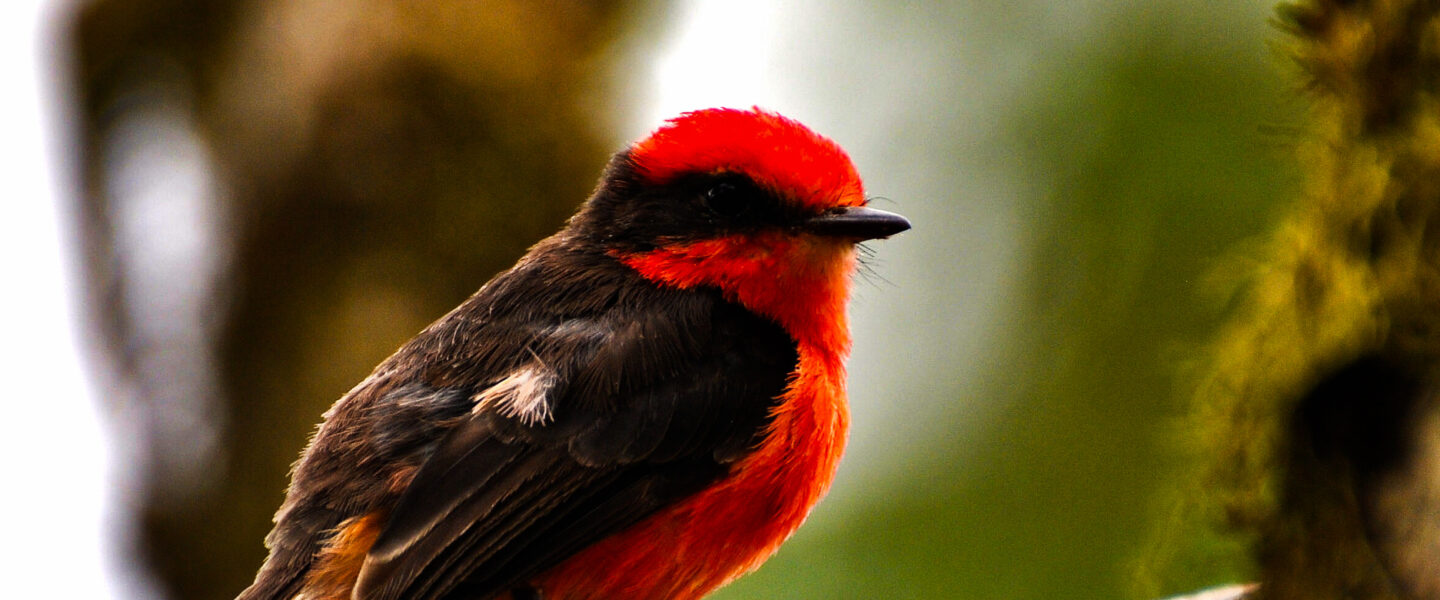
Scientists Ramp Up Project to Reverse Ecological Destruction on a Galápagos Island (Maria)
The author writes, “The brujo flycatcher is one of the Galapagos Islands’ flagship species. The flashy songbird used to flit all over the archipelago, but its population started to crash 30 years ago. On two islands it went extinct. … [Ornithologist David Anchundia] and a team of conservationists have done painstaking work to restore the birds’ habitat and assist their breeding in preparation for reintroducing it to other islands.”
Thousands of Chinese Fishing Boats Quietly Form Vast Sea Barriers (Sean)
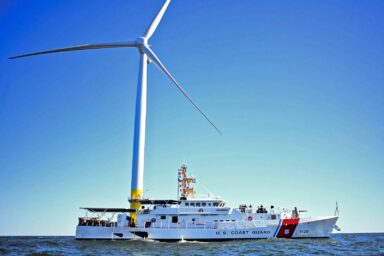
From The New York Times: “China quietly mobilized thousands of fishing boats twice in recent weeks to form massive floating barriers of at least 200 miles long, showing a new level of coordination that could give Beijing more ways to impose control in contested seas. The two recent operations unfolded largely unnoticed. An analysis of ship-tracking data by The New York Times reveals the scale and complexity of the maneuvers for the first time.”
Live Cameras Are Tracking Faces in New Orleans. Who Should Control Them? (Dana)
From NPR: “New Orleans, home of Bourbon Street revelry, has become the first American city known to have a live facial recognition network. How that came to be is a story of private initiative and political inaction, and may point to the future public safety uses of this surveillance technology.”
The Wall Looks Permanent Until It Falls (Laura)
From Data4Democracy: “My earliest political memory is watching the Berlin Wall fall. I was six years old. We watched together on the nightly news — strangers embracing, people swinging hammers at concrete, everyone laughing. I didn’t know what the wall was or why it mattered. I remember how happy everyone looked. I remember thinking that smashing the wall looked like a lot of fun. I wanted a hammer too. I’ve spent my career as a political scientist learning why moments like that almost never happen. And why, sometimes, they do.”
Cannabis Compounds Show Unexpected Power Against Ovarian Cancer (Mili)
The author writes, “Scientists have discovered that key compounds from cannabis — CBD and THC — show surprisingly strong effects against ovarian cancer cells. Used together, they slow cell growth, reduce colony formation, and may even block the cancer’s ability to spread. Even more promising, the treatment caused minimal harm to healthy cells and appears to work by restoring a disrupted signaling pathway that fuels tumor growth.”
Rio de Janeiro Zoo Animals Are Treated To Popsicles as the City Faces Scorching Summer Weather (Reader Steve)
The author writes, “Animals at Rio de Janeiro’s BioParque zoo received popsicles and frozen treats [last week] as the city faced another day of extreme heat during Brazil’s summer. Jaguars, monkeys and other animals were given an iced diet prepared according to each species’ needs, zoo officials said. Some received frozen fruit, while others were offered mixtures containing frozen blood.”