‘My Lovely Distraction’: Livestream of Parrot and Chicks Captivates New Zealand
PICKS are stories from many sources, selected by our editors or recommended by our readers because they are important, surprising, troubling, enlightening, inspiring, or amusing. They appear on our site and in our daily newsletter. Please send suggested articles, videos, podcasts, etc. to picks@whowhatwhy.org.
|
Listen To This Story
 |
‘My Lovely Distraction’: Livestream of Parrot and Chicks Captivates New Zealand (Maria)
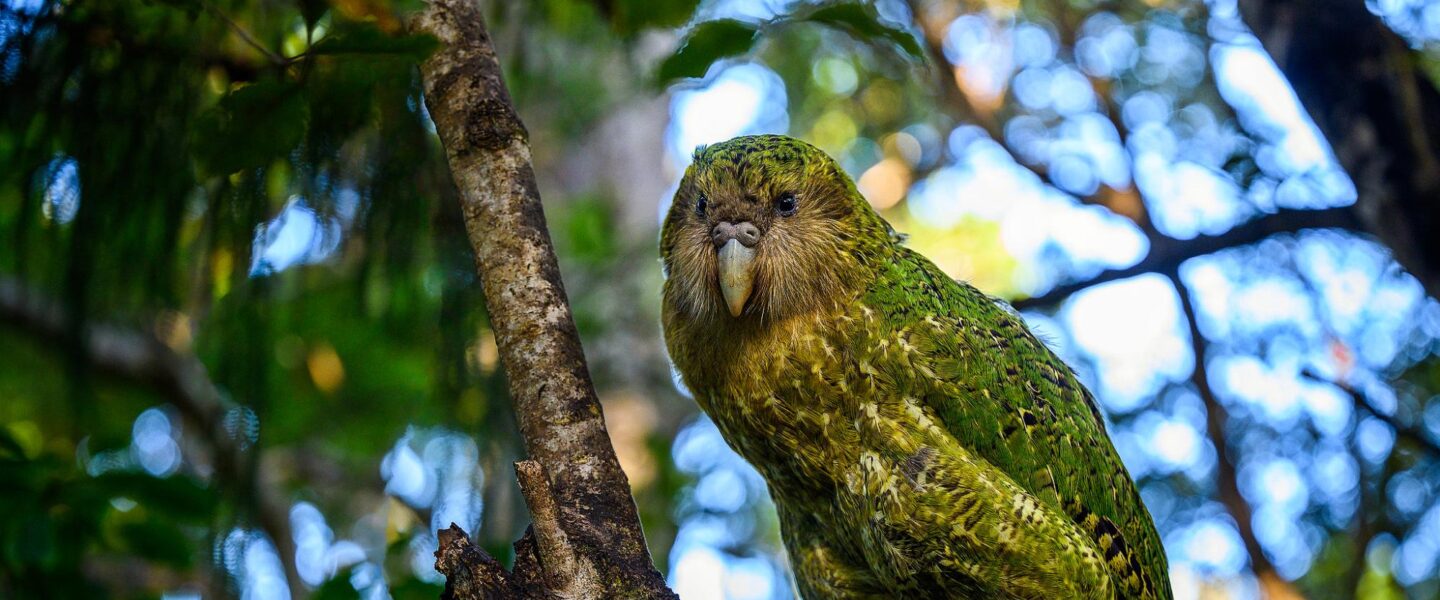
The author writes, “On an island in New Zealand’s remote south , one of the world’s strangest and rarest parrots — the kakapo — is caring for her tiny chick as fans across the globe watch. Through the lens of a hidden camera, a fluffy orb with a kazoo-like squeak jostles for food from its mother’s beak. Since New Zealand’s Department of Conservation launched the livestream in mid-January, more than 100,000 people have tuned in to watch Rakiura during the breeding season. At any given time, more than 100 people are watching. Many viewers discuss why this view resonates. ‘This site is my lovely distraction from all the terrible things happening in the world around us,’ wrote one viewer.”
What Americans Think About the War in Iran, According To Recent Polls (Reader Steve)
From the AP: “Americans are divided along party lines on US military action against Iran, according to polls conducted since the war began, with most polls showing opposition is higher than support. Polls suggest that many Americans are worried the military action is making the US ‘less safe,’ even as they see Iran as a threat to US security. There are also warning signs for President Donald Trump as he confronts the possibility of a prolonged conflict that could come with significant economic turmoil. Trump gave conflicting messages on Monday about the war’s timeline, suggesting it could be near its end while also threatening additional force against Iran if the country disrupted the global flow of oil. Fluctuating oil prices may already be alarming voters. Polls conducted over the weekend found a large majority of Americans are worried about the war causing oil and gasoline prices to rise. The vast majority expect the US action against Iran will last at least ‘months,’ if not longer.”
Dozens of US Service Members in Kuwait Suffered Serious Injuries, Including Burns, Brain Trauma, and Shrapnel Wounds (DonkeyHotey)
The authors write, “An Iranian drone attack in Kuwait that killed six US service members in the early hours of the war with Iran was more severe than has previously been revealed, with dozens suffering injuries including brain trauma, shrapnel wounds and burns, multiple sources told CBS News. At least one may require the amputation of a limb. Sources described a grim and chaotic scene in the aftermath of the strike on a tactical operations center at the Shuaiba port outside Kuwait City on March 1. Smoke quickly filled the building, making it difficult to rescue those inside.”
Could a New Illinois Bill Be a Blueprint for Curbing Data Centers’ Climate Impacts? (Laura)
From Inside Climate News: “A new Illinois bill seeks to rein in power- and water-hungry data centers’ impacts on residents and get the state back on track to meet its climate goals. The speed of the data center boom has outpaced calls for national regulations, leaving the industry largely unchecked as its climate impacts grow: A study from November predicted that US data centers could consume as much water as 10 million Americans and match the carbon dioxide emissions of 10 million cars by the end of this decade. That paired with rising consumer electric bills in a number of places with data-center growth has prompted calls for a moratorium on the industry’s expansion while more research is done. Meanwhile, local communities are fighting back against data centers proposed in their backyards, and states from New York to Georgia are considering legislation to mitigate the developments’ impacts.”
Elon Musk Wants a Do-Over on Twitter Trial After Jury Pool Couldn’t Hide Its Disdain (Sean)
The author writes, “Elon Musk must not be too happy with how a securities fraud class-action lawsuit against him is playing out in court. On Saturday, his lawyers filed a motion asking the judge to declare a mistrial, alleging that misconduct by opposing lawyers and even the court itself has made a fair trial impossible for Musk. The request doesn’t ask for the case to be dismissed outright, but instead for the trial to restart with a brand new jury. The case stems from a lawsuit accusing Musk of allegedly violating securities law by making misleading public statements in an effort to push Twitter’s stock price down before he ultimately bought the platform in October 2022.”
Hospitals Fighting Measles Confront a Challenge: Few Doctors Have Seen It Before (Dana)
From KFF Health News: “At around 2 a.m., 7-year-old twin brothers arrived at Mission Hospital in Asheville. Both had a fever, a cough, a rash, pink eye, and cold symptoms. The boys sat in one waiting room and then another. Two hours and 20 minutes passed before the two were isolated, according to Centers for Medicare & Medicaid Services records obtained by KFF Health News. Then two more hours ticked by. As the sun rose, an emergency room doctor called the state epidemiologist and described the symptoms. The public health official told him to keep the kids in the hospital and quarantine them. Shortly after that call, the patients were diagnosed. It was measles. … As U.S. hospitals face an increasing risk of encountering measles, and pressure to immediately spot it, health care workers face an unusual barrier: Many don’t know what it looks like.”
Scientists Say Most of What You Do Each Day Happens on Autopilot (Mili)
The author writes, “Most of our daily actions may happen without much thought. Researchers found that around 65% of everyday behaviors are triggered automatically by habit rather than conscious decisions. Many of these habits actually support our personal goals, helping us follow through on things like healthy routines. The key to lasting change, scientists say, is building new positive habits while disrupting the cues that trigger bad ones.”