The MAHA Measles Comeback Will Kill Kids and Cost Taxpayers
If measles vaccination rates decline by just one percent annually, not only will children needlessly suffer and even die; costs to taxpayers will also soar.
|
Listen To This Story
 |
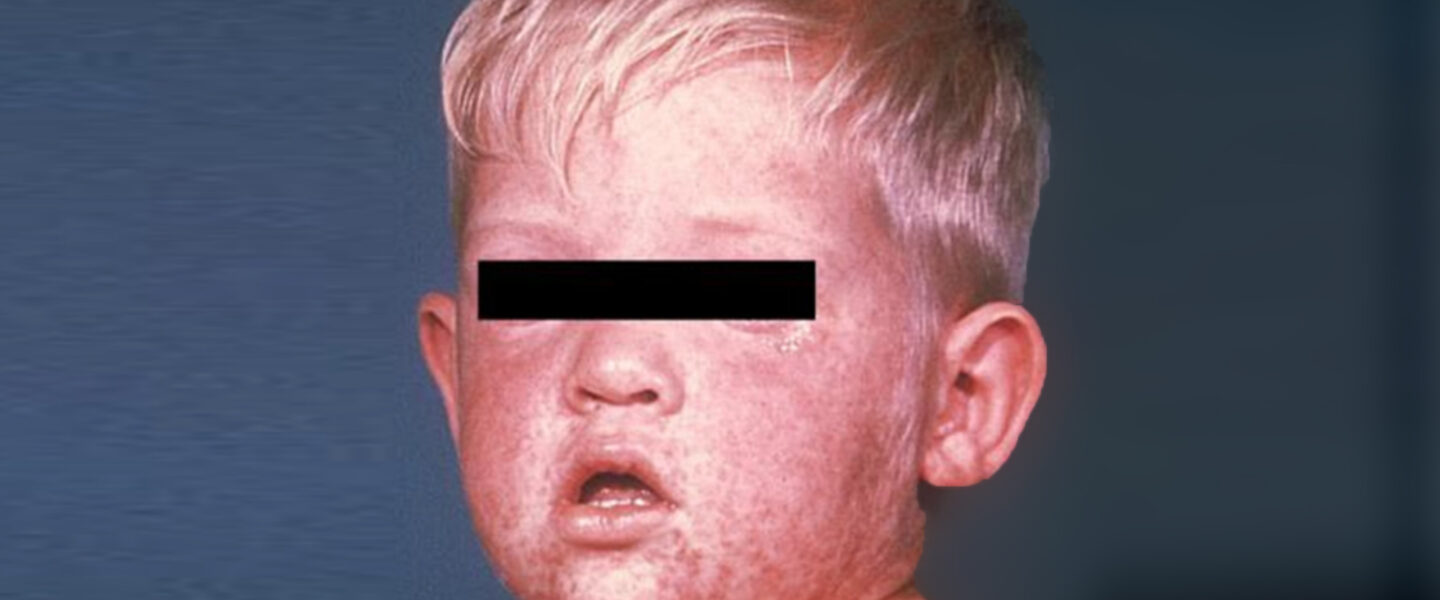
A quarter century after the measles was officially declared to be eliminated in the United States, the vaccine hesitancy spurred on by the highest levels of the Trump administration is allowing the disease to make a comeback. As a result, more children will die, and taxpayers are going to pay billions of dollars for the required public health responses.
And it won’t take much for those costs to add up.
Even a sustained decrease of just one percent in the measles, mumps, and rubella (MMR) vaccination rate will cause new cases of the disease, and the burden on the economy, to spike, according to an analysis from the Yale School of Public Health.
In 2024, the last year of Joe Biden’s presidency, fewer than 300 people contracted measles. One year later, with vaccine skeptics like Donald Trump and Robert F. Kennedy Jr. at the helm, that figure increased almost eightfold to 2,213. And in 2026, that number is on track to triple again.
Where will it end?
Certainly in suffering for children and heartache for parents. According to the analysis, even a slight dip in MMR vaccination rates could lead to 4,000 hospitalizations and dozens of preventable deaths annually.
It won’t just be stricken families who pay the price but also the public.
The researchers predict that the cost to taxpayers will reach about $1 billion per year if a mere one percent fewer kids are receiving the MMR vaccine annually.
In addition, the economy will also suffer from a loss of productivity as parents will miss work to care for their sick children.
“When immunization rates decline, disruptions follow – and the costs to our communities and the economy are steep. Behind every projected case in this model is a child fighting to get better, a parent forced to choose between a paycheck and their sick kid, and a community shaken by a preventable outbreak,” said Dr. Megan Ranney, Dean of the Yale School of Public Health.
Of course, all of this is absolutely preventable. These are costs that families, businesses, and the public health system have not had to bear for more than two decades.
“[The] human costs outlined in this [analysis] are avoidable,” Ranney added. “By taking action now, health care leaders and partners can keep kids, families, and communities safe.”
Even some members of the Trump administration are urging Americans to get the MMR vaccine.
“Take the vaccine, please,” said Dr. Mehmet Oz, the director of the Centers for Medicare and Medicaid Services, last month.
However, it is rare for a high-ranking official of the administration to be this outspoken in favor of any type of vaccine.
More often than not, Oz’s superiors, especially RFK Jr., are offering ambiguous statements on the importance, benefit, and risks of vaccines.
And that’s who MAGA nation is listening to.
While more than 80 percent of Americans are very or somewhat confident that the MMR and polio vaccines (both of which even the Trump administration recommends) are safe for kids, more than one in six of them are not very confident or not at all confident.
If those people refuse to have their kids vaccinated against the measles, things could quickly spiral out of control.
According to the American Academy of Pediatrics, 92 to 94 percent of a population needs to be immune against the measles to prevent the disease from spreading in that community. That is why the outbreaks we are currently seeing are occurring in isolated pockets where a lot of children aren’t vaccinated.
However, if larger parts of the country fall below that 92-percent threshold – and 18 percent of Americans lack confidence in the MMR vaccine – then the actual impact on the country could dwarf the estimates from the Yale experts.