Gen Z Ditches Trump: A Sense of Betrayal and a Cratering of Support
Instrumental in putting Trump back in office, millions of young Americans are beginning to come to grips with their monumental misjudgment.
|
Listen To This Story
 |
Donald Trump won the 2024 election by narrow margins in battleground states, shifts from his 2020 loss notably attributed to his outreach toward disaffected young men through unconventional methods.
In the run-up to that election, in a three-hour interview, Trump discussed several topics, ranging from UFOs to deportation to election fraud.
However, this was not an interview with NBC, Fox News, or even Newsmax. It was on online influencer Joe Rogan’s podcast.
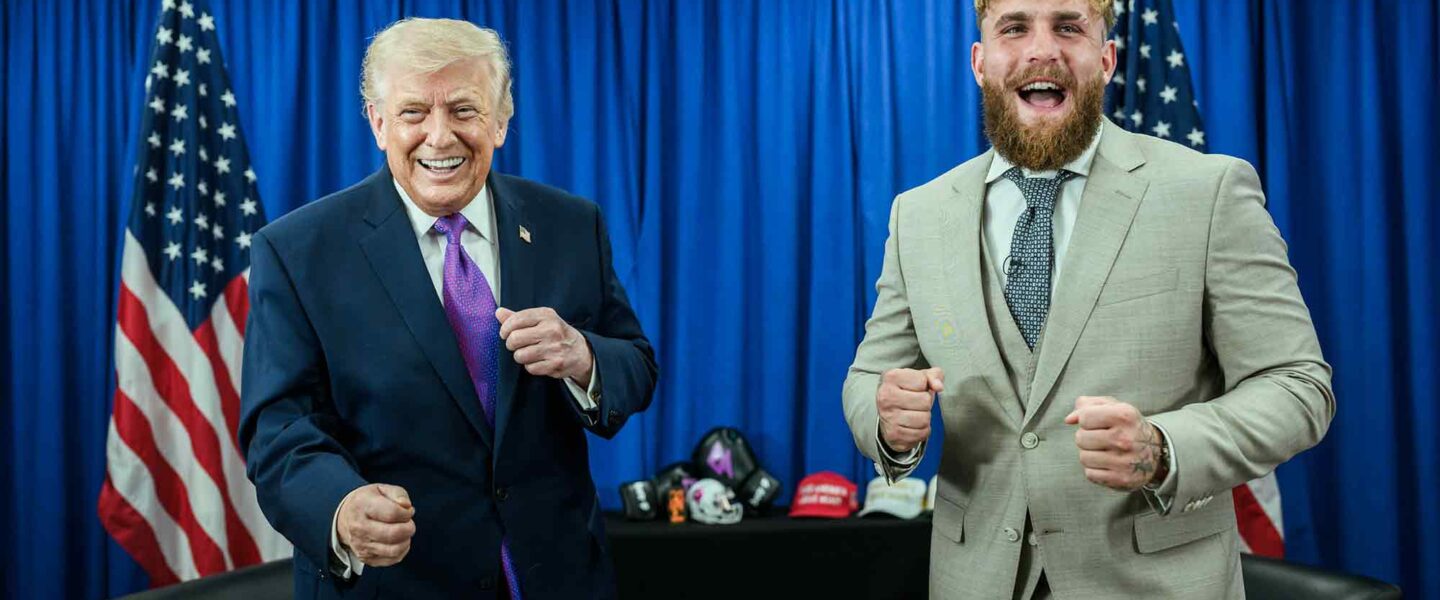
Following this, Trump went on Logan Paul’s, the Nelk Boys’, Adin Ross’s, and several other podcasts, all pitched mainly to young men.
To people not from my Gen Z generation, these names may be unfamiliar, raising the question of why any presidential candidate would appear on their shows. And indeed, Trump’s opponent Kamala Harris notably turned down Rogan’s invitation, a decision scrutinized heavily after the election. But ask any young man, and they will know some, and very likely all, of the names.
These names permeate the digital world of my generation. To some, they carry negative connotations: Paul crypto-scammed his audience, and the Nelk Boys’ juvenile content is pitched toward their very young followers.
Nonetheless, they are the voices of a new digital media reaching young men, which Trump (and his son Barron) recognized as the way to win. Their shows offered Trump unfiltered access to tens of millions of young men disillusioned by the mainstream media, offering him a platform to define his campaign as both rebellious and deeply authentic — an anomaly in their short political memory.
How Did Trump Do It?
It pays to ask why Trump’s messaging proved so successful — how he managed to appeal to an age cohort long assumed to lean strongly left.
As a member of Gen Z, I have observed that ours is a generation that cannot be stereotyped into one category. We are a diverse cohort, with various perspectives shaped by the rapidly changing age in which we grew up. Our oldest members were 11 when Barack Obama was elected in 2008, and our very youngest hadn’t even been born yet.
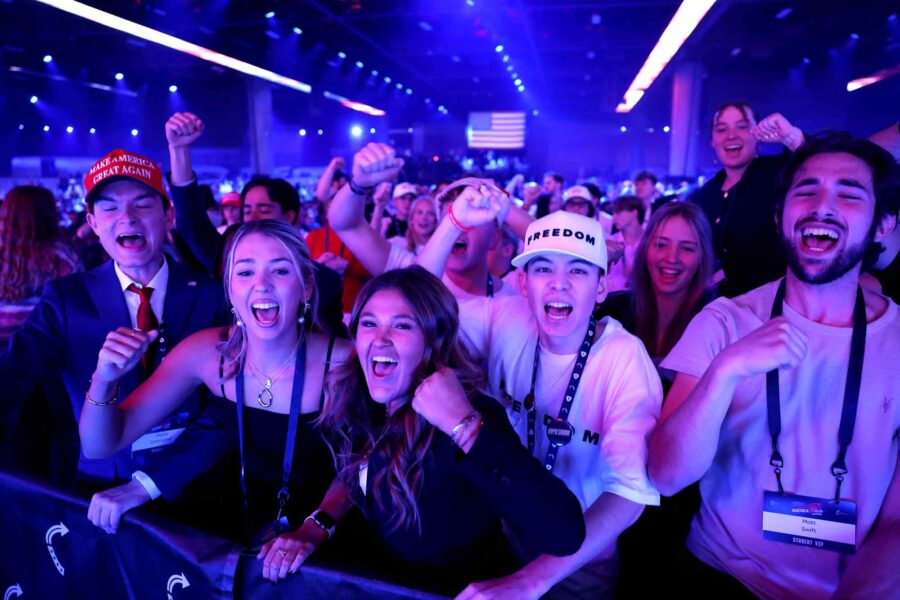
In 2016, some older members were in college or in late high school; others (the median Gen Zer was born around 2004) were still in grade school; and the youngest were just learning to read.
Assumptions about the views and political leanings of Gen Z taken as a whole are, therefore, likely to be misleading, if not outright erroneous. And such unnuanced assumptions can, as we have witnessed with respect to the 2024 campaign, lead to serious political miscalculations.
Yes, this generation is all under 30, and it’s easy to see how, from a boomer or Gen X perspective, we all just look “young” and more or less indistinguishable from each other. But flattening a whole spectrum of people — growing up, crucially, in a period of rapid, time-stretching social and technological transformations — into one monolithic group fails to account for our varied experiences growing up.
A 26-year-old who came of age during the Obama-Trump transition era is bound to have a perspective different from that of someone my age, nearly a decade younger, whose first exposure to politics came from scrolling on TikTok.
A Disillusioned Friend
One of these young men, whose political views were shaped by TikTok, has been a friend of mine since grade school. In 2024, Trump’s interviews on those podcasts spoke powerfully to some of his own deep dissatisfactions, winning my friend’s support.
But now, after watching Trump in action for over a year, things have changed for my friend, who finds his dissatisfaction and disappointment directed at the president who he believed had the answers and would deliver a better America.
Gen Z can see that the president has been, as promised, plenty disruptive, just not in the good ways they had been trusting enough to expect.
There are numerous reasons for the intense buyer’s remorse that has been registering in polls of young men. Perhaps the strongest is that many of my peers feel disgusted by Trump’s association with Jeffrey Epstein, and by the very apparent full-court press that’s been put on to conceal the extent of his involvement and possible criminality.
They can see that the president has been, as promised, plenty disruptive, just not in the good ways they had been trusting enough to expect, such as restoring fundamental transparency in government.
It looks to them as if Trump has embraced and become part of the worst, while taking an axe to the best, of the status quo.
Gen Z heard Trump cry out that the Washington swamp needed to be drained during his election campaigns, but now many see that he has become the alpha gator of the swamp he vowed to drain.
He has become the establishment that they see as having been working against them their whole lives — or worse, made himself a front for the rich and powerful while selling himself as the champion of ordinary people.
This view has become most clear on Instagram and TikTok, which have become loaded with coverage of Trump and Epstein. His shifting narratives about their relationship and the damning evidence that comes out with each fresh dump of the files have driven up distrust among many in my generation. The very public new stance of Epstein’s then-young victims should only serve to further this trend.
Recently, that old friend texted me: “Trump has turned out just another modern president fake and a liar.”
Rogan himself stated that the Trump administration is “trying to gaslight” supporters on Epstein.
It is clear that the horrifying killings of Renee Good and Alex Pretti in Minneapolis — and increased ICE raids across the country, among other events — have negatively impacted Trump’s standing with my generation. But his relationship with Epstein is a topic that never relents, and one that I never hear the end of from my peers. It has received the same reaction from my most liberal to most conservative friends: one of disgust and dismay.
I would argue that the Epstein files have done more to hurt Trump with young Americans than any other event in his presidency.
Throw in a Bad Economy and a Mystifying War
To Epstein add the sputtering economy and the unpopular Iran War — which has proven especially provocative and reviled among young Americans — and you can see why, for all its intramural diversity, Gen Z is turning hard against Trump.
For Gen Z — who are entering adulthood with high inflation, unaffordable housing, Trump’s war on higher education, the looming uncertainties of his whimsical tariffs, and the threats of unregulated AI, — the president’s promises to create the “best economy the world has ever seen” are already ringing worse than hollow.
My generation, like many before it, wants to afford gas and groceries, buy a house, find meaningful employment, and start a family. This lifestyle that Trump promised to create for us now seems even more unreachable.
While my disaffected Gen Z and young Millennial peers were instrumental in voting Trump back into the presidency, they also have the voting power to limit the damage he and his MAGA agenda do to America and the world.
It may even be in the cards that this administration’s assaults on public health, the environment, voting rights, personal freedoms, and the rule of law will begin to make a greater negative impression, as my fellow Gen Zers reconsider Trump’s impact on both the present state of the world and their futures.
Although Trump remains, as always, generally secure with his MAGA/GOP base, the disillusionment with his policies and antics is spreading through the rest of the populace, leading to a steady and politically deadly decline in his ratings.
Together We Can Fix It
Gen Zers are hardly alone in turning away from, and in some cases hard against, the whole Trump package. But the recognition and revulsion have been especially strong among them, and especially among the young men Trump so successfully wooed last year.
In February, an Economist/YouGov poll found (see page 42) that Trump’s Gen Z support dropped to its lowest point in his second term, with 67 percent of voters aged 18–29 disapproving. This is compared to February 2025, when disapproval was only 41 percent.
As Gen Z continues to see their economic future as ever less viable, and exposure of Trump’s long relationship with Epstein continues, it would not be surprising if this trend of disillusionment and anger becomes significantly stronger.
While my disaffected Gen Z and young Millennial peers were instrumental in voting Trump back into the presidency, they also have the voting power to limit the damage he and his MAGA agenda do to America and the world.
In that sense, our future rests on our own shoulders.
Quinn Mitchell is an 18-year-old high school student with a strong belief in participatory democracy. He is also the host of the podcast Into The Tussle, which offers a Gen Z perspective on politics.