Judge: Feds Can’t Use Controversial Database to Disenfranchise Eligible Voters
A federal judge on Monday blocked the Trump administration's effort to use a federal database to purge state voter rolls in a process that led to the disenfranchisement of Americans.
|
Listen To This Story
 |
Specifically, US District Court Judge Sparkle Sooknanan declared that the government could not use a database containing the private information of US residents, including their citizenship status and their Social Security numbers, to determine whether they were eligible to vote.
In her ruling, Sooknanan stated that federal agencies, in their rush to comply with Trump’s executive orders to give himself more control over elections, “Haphazardly combined and repurposed the private information of millions of Americans, including citizenship data that they knew to be unreliable.”
Based on the information from this so-called SAVE program, the states that are working with the administration are “actively removing United States citizens from voter rolls,” she added.
The Trump administration’s efforts are the result of the president’s false claims of widespread voter fraud, especially committed by noncitizens.
However, there is no evidence that this is happening. In fact, even audits and investigations conducted in GOP-led states have shown that in-person voter fraud is extraordinarily rare.
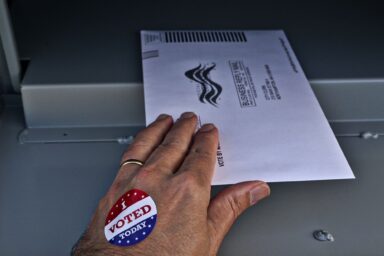
Undeterred by the facts, Trump is trying to use these lies as justification to give the federal government an outsized (and unconstitutional) role in US elections and change the rules in ways that he believes will benefit Republicans. For example, he wants to largely eliminate mail-in voting.
In this case, the SAVE database is being used to kick eligible voters off the rolls, especially recently naturalized citizens.
“All in all, the federal government has knowingly trampled on the privacy rights of American citizens in a manner that threatens the sacred right to vote,” Sooknanan ruled. “This Court cannot stand idly by while that happens.”
The voting rights groups that brought the lawsuit on behalf of wrongly disenfranchised Americans celebrated the ruling, which is virtually certain to be appealed.
“As the Trump-Vance administration continues its attack on the right to vote, this is an important victory for the American people and our democracy,” said Skye Perryman, president and CEO of Democracy Forward. “The data at the heart of this lawsuit was unlawfully consolidated in violation of privacy laws intended to protect sensitive personal information.”
The ruling is also viewed as a victory for privacy advocates.
“Today’s decision is a victory for us all,” stated John Davisson, the deputy director of the Electronic Privacy Information Center. “By halting the illegal consolidation of sensitive personal data across federal agencies, the court has safeguarded not only our privacy rights but also the bedrock of our democracy: the right to vote.”
This case and others highlight that this right is under assault from the Trump administration. With just over four months to go until the midterms, these legal fights, and whether the government complies with adverse rulings, will play a big role in the outcome of elections and whether Democrats manage to win control of one or both chambers of Congress.