Trump Acts Quickly to Ensure Americans Have to Keep Paying More for Stuff
Are you concerned that the Supreme Court's decision to invalidate the Trump tariffs will reduce your grocery bill? Are you looking to pay more for your daily necessities and luxury items? Don't worry, the president is on the case.
|
Listen To This Story
 |
Americans who worried that they would have to pay less for imported products from cars and coffee to building materials and televisions in the wake of the Supreme Court invalidating Donald Trump’s tariffs can breathe a sigh of relief: Thanks to the president’s quick action, prices are going to remain higher.
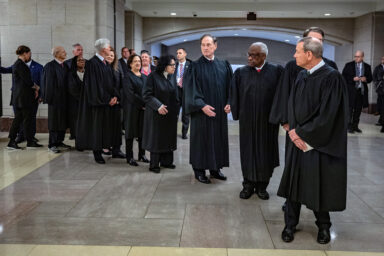
On Friday, the high court had ruled that Trump does not have the authority to use an obscure law from the 1970s to arbitrarily impose tariffs on much of the rest of the world.
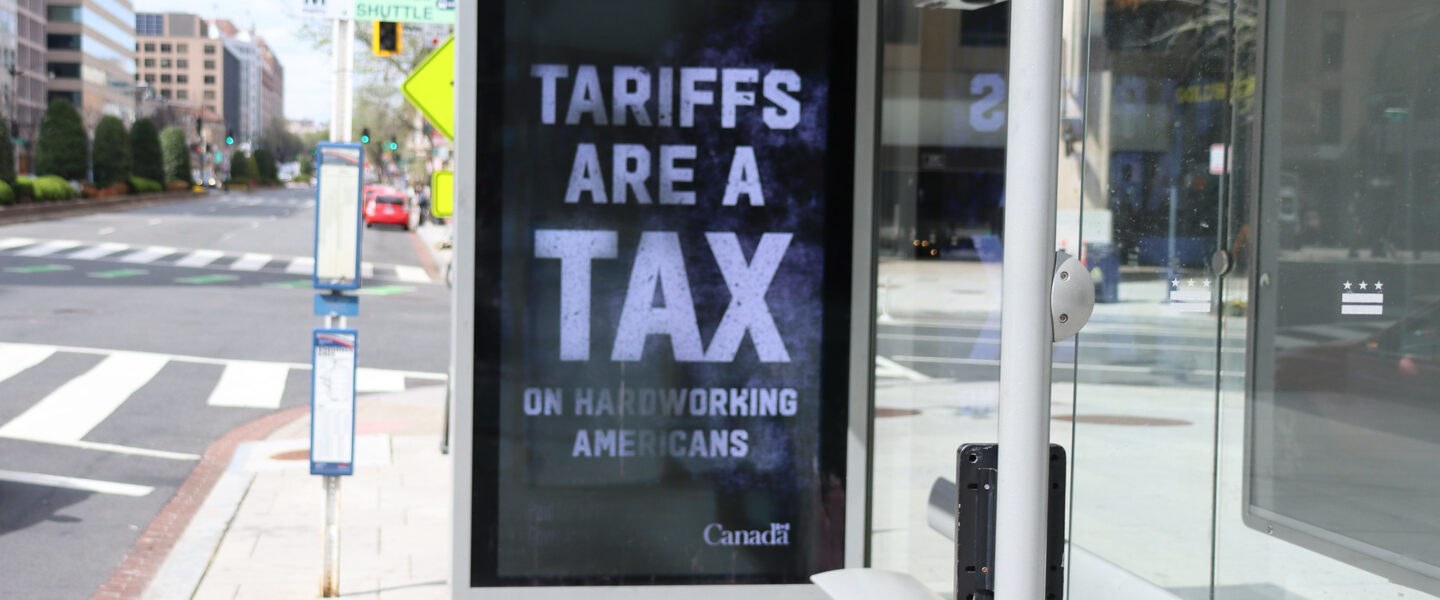
And, since the consensus among experts is that US companies and consumers pay for almost all of these levies, that means that the Supreme Court’s decision would have resulted in lower prices for Americans.
That, of course, would be unacceptable to people who will gladly shell out more for everything from essentials like groceries to luxury goods. After all, according to the president, the whole affordability debate is a hoax and America is the hottest country on Earth and experiencing a new golden age. In other words, there is no need for discounts.
Correspondingly, Trump reacted swiftly.
In its decision, the Supreme Court clearly stated that, since imposing taxes is the prerogative of Congress and tariffs are a form of tax, a president may only do so if the legislative branch gives him a very clear mandate to do so.
Fortunately, some legal sleuths in the White House were quick to identify a few provisions that would allow Trump to continue to levy tariffs on the rest of the world and keep prices high in the US.
“Based on a thorough, detailed, and complete review of the ridiculous, poorly written, and extraordinarily anti-American decision on Tariffs issued yesterday, after MANY months of contemplation, by the United States Supreme Court, please let this statement serve to represent that I, as President of the United States of America, will be, effective immediately, raising the 10% Worldwide Tariff on Countries, many of which have been ‘ripping’ the US off for decades, without retribution (until I came along!), to the fully allowed, and legally tested, 15% level,” the president gleefully announced on his social media account. “During the next short number of months, the Trump Administration will determine and issue the new and legally permissible Tariffs, which will continue our extraordinarily successful process of Making America Great Again — GREATER THAN EVER BEFORE!!!”
While it is sometimes unclear what Trump is talking about, this post is a reference to a section of the Trade Act of 1974 that has never been invoked before. It allows a president to address a “large and serious balance-of-payment deficit” by imposing a tariff of up to 15 percent for a period of 150 days. At the end of that period, it is up to Congress to extend those tariffs.
Immediately after the Supreme Court released its decision, Trump announced a blanket tariff of 10 percent. Then, after pondering which tools were available to him to ensure that the cost of everyday goods would not drop too much, he decided to raise tariffs to the legally permissible limit.
However, it’s not all good news for those who want US consumers to pay a premium for the things they need.
Unfortunately, many products are exempt from the new tariffs. And not only that. Since Trump had previously imposed much higher rates on many different countries, products imported from there will likely become less expensive until the president can figure out a way to make them less palatable to Americans.
That being said, we are confident that the president and his team will find other provisions that will allow him to jack up prices once again.
After all, “tariff” is his favorite word.