As Americans Pay for Trump’s Tariffs, the Rest of the World Makes Deals
While Donald Trump keeps threatening other countries with punitive tariffs (which Americans will ultimately pay for), the rest of the world is making deals with each other that leave the US sitting on the sidelines.
|
Listen To This Story
 |
The EU and India on Tuesday concluded what European Commission President Ursula von der Leyen called “the mother of all deals.” The agreement, which had been in the works for almost two decades and still has to undergo a legal revision and ratification, will reduce trade barriers between the world’s most populous country and the 27 member states of the European Union.
“We have created a free trade zone of 2 billion people, with both sides set to gain economically,” von der Leyen said. “We have sent a signal to the world that rules-based cooperation still delivers great outcomes.”
That last statement is clearly a dig at Donald Trump. By imposing tariffs on most of the rest of the world, the US president has thrown global trade into disarray.
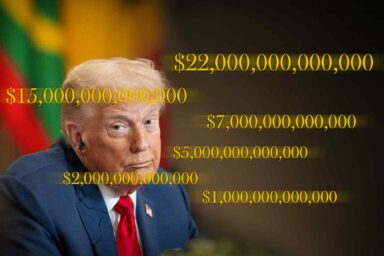
However, while Trump keeps claiming that the exporting countries are somehow paying for his tariffs, a new study shows that US companies and consumers bear 96 percent of their costs. In other words, they are essentially a new form of tax Americans are forced to pay.
The rest of the world is moving in a different direction, with some of the US’s biggest trading partners reaching deals to access new markets.
For example, according to the EU, India will gradually slash tariffs on European cars from as high as 110 percent to as low as 10 percent. Tariffs for car parts will be completely abolished over the next decade. The same is true for tariffs on machinery, chemicals, and pharmaceuticals.
The agreement will also reduce trade barriers on agricultural products going in both directions.
Especially important for India are EU concessions on garment exports. In addition, it will become easier for its high-tech professionals to work in the European Union.
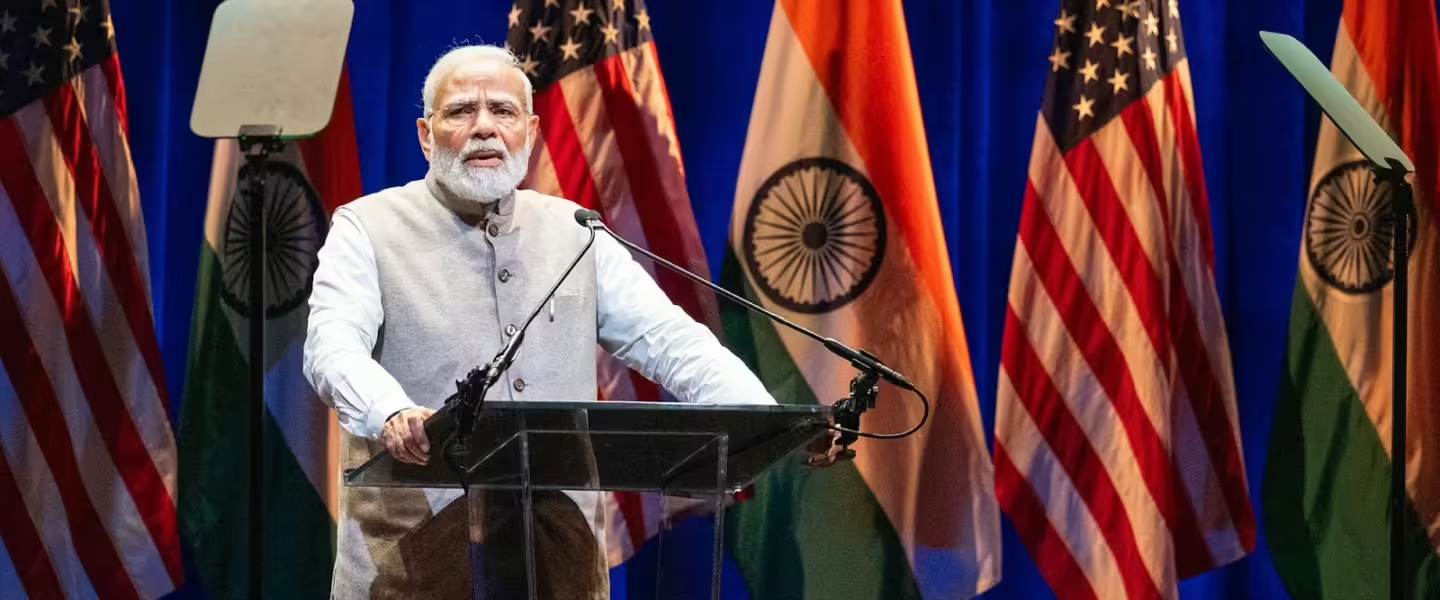
“This agreement will drive trade, investment, and innovation while strengthening our strategic relationship,” said Indian Prime Minister Narendra Modi. “It reflects our shared resolve to shape a stable, prosperous, and future-ready economic relationship.”
In what could be viewed as his own dig at Trump, Modi added that the deal would also strengthen India and the EU’s shared commitment to democracy and the rule of law.
It was not the only trade agreement concluded in recent days between an economic powerhouse and a traditional US ally.
Earlier this month, Canada reached a narrower deal with China. It will open the Canadian market to 49,000 Chinese electric vehicles while benefiting Canadian agricultural exports.
In response to that agreement, Trump threatened Canada with a new 100 percent tariff.
As though he wants to highlight the contrast between his punitive approach to trade and the cooperative one (former) partners and allies are practicing, the US president also announced new tariffs on South Korea.
It is noteworthy that the agreements other countries are reaching are not just about trade.
The deal between the EU and India, for example, also includes a chapter on sustainable development, environmental protection, climate change, women’s empowerment, and worker rights – all issues in which the US is abdicating a leadership role under Trump.
In other words, while he is isolating the US from the rest of the world and chooses bullying over cooperation, other countries are banding together to find opportunities elsewhere.
As in many other areas, the damage Trump is doing to the US is impossible to predict, but it stands to be significant.
While he is counting on the might of the American economy (and military), the rest of the world is finding workarounds.
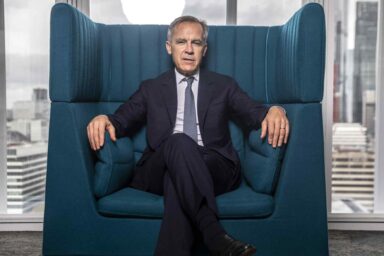
This is exactly what Canadian Prime Minister Mark Carney was walking about at the World Economic Forum in Davos earlier this month, when he noted that middle powers are not powerless.
“They have the capacity to build a new order that embodies our values, like respect for human rights, sustainable development, solidarity, sovereignty, and territorial integrity of states,” Carney said in the event’s signature speech.
That is exactly what we are seeing now. It is not an effort of the rest of the world to sideline the US, but rather the consequence of what happens when a country sidelines itself.