Climate Change Is Outpacing Evolution. Scientists Are Using DNA To Catch Up
PICKS are stories from many sources, selected by our editors or recommended by our readers because they are important, surprising, troubling, enlightening, inspiring, or amusing. They appear on our site and in our daily newsletter. Please send suggested articles, videos, podcasts, etc. to picks@whowhatwhy.org.
|
Listen To This Story
 |
Climate Change Is Outpacing Evolution. Scientists Are Using DNA To Catch Up (Maria)
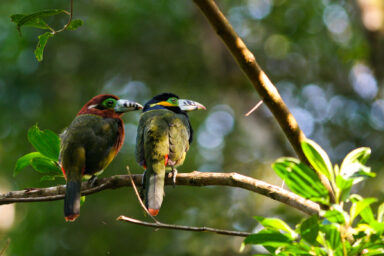
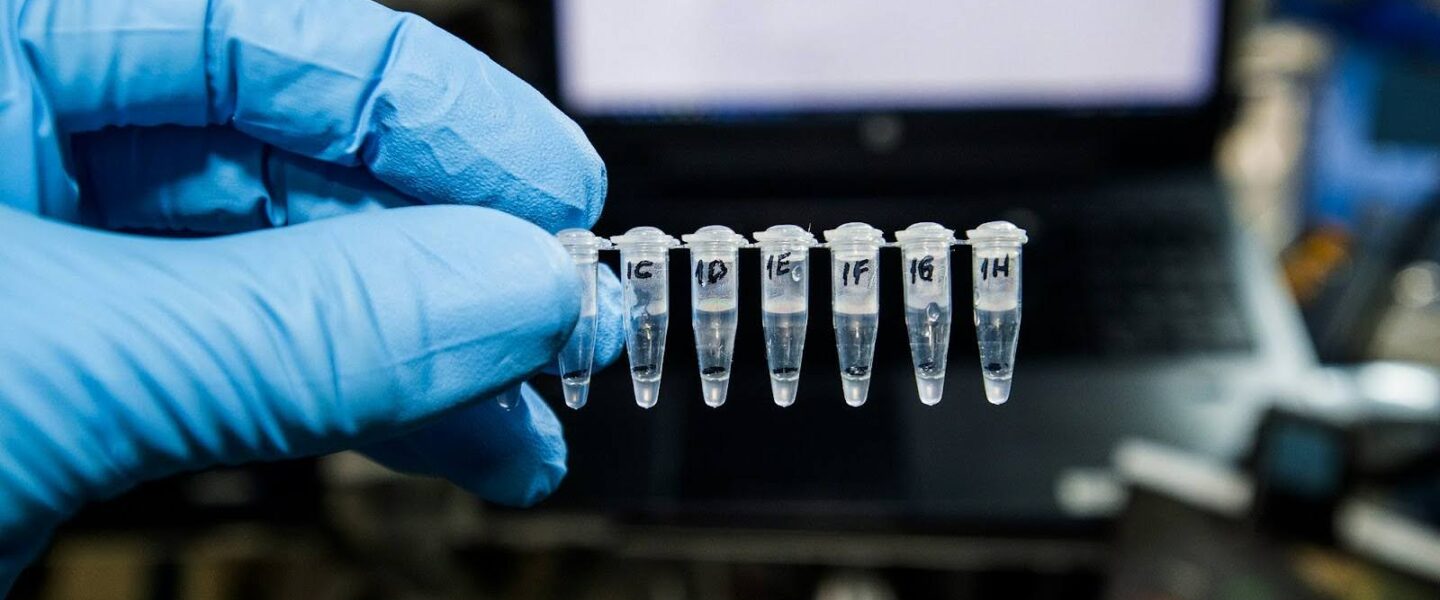
The author writes, “Evolution works over millennia. Climate change is moving far faster. That mismatch is killing some of the planet’s most vital ecosystems, from California’s towering redwoods to the seagrass meadows along its coast, both of which store vast amounts of carbon and support complex webs of life. … Scientists are working to close the gap with an emerging discipline called conservation genomics.”
ICE Acknowledges It Is Using Powerful Spyware (Sean)
From NPR: “Immigration and Customs Enforcement is using spyware tools that can intercept encrypted messages as part of the agency’s efforts to disrupt fentanyl traffickers, according to a letter sent last week by the agency’s acting director, Todd Lyons. Lyons’ letter, which was reviewed by NPR, said ICE’s Homeland Security Investigations (HSI) is using various tools as part of its mission to disrupt and dismantle foreign terrorist organizations, ‘particularly those involved in the trafficking of fentanyl.’”
‘It Would Be Catastrophic’: A Supreme Court Decision Could Upend Alaska’s Crucial Senate Race (DonkeyHotey)
From Politico: “In the villages that dot Kodiak Island off the coast of southwest Alaska, the post arrives by plane. Mailing a ballot to the archipelago’s hub takes at least two days — if the region’s frequent storms haven’t grounded air traffic. It’s a common problem across Alaska. And it’s a big reason why the state allows ballots postmarked by Election Day to be counted for up to 10 days afterward, a critical reprieve for voters in remote communities that are disconnected from the state’s highway system and . That’s why Alaskans across the political spectrum are sounding the alarm about a pending Supreme Court ruling. A majority of justices appear to be leaning toward barring states from counting late-arriving ballots, a ruling that would upend voting laws in Alaska and more than a dozen other states. That could potentially disenfranchise hundreds of voters in Kodiak’s distant villages and thousands more across the remote reaches of The Last Frontier — and upend Alaska’s election process in a state that could determine Senate control.”
State Judges Turn to Guns in New Era of Judicial Threats (Al)
The author writes, “In an animated video, a man in an American-flag-print face mask who called himself ‘the Patriot’ tracked his target, Judge Jennifer Johnson, with a hatchet in his hand. The man followed a cartoon version of the judge, who sits on a county court in rural Florida, down a sidewalk as he muttered insults about her appearance and shared personal details about her marriage and children. Then he announced that it was ‘takedown time.’ ‘Judge Johnson, let’s bury the hatchet,’ the man said, striking his virtual target in the back until she fell to the ground. Then he swapped the hatchet for a gun and shot her in the head. As blood pooled around her corpse, the man celebrated her ‘execution.’”
Iranian American Soccer Fans Are Torn Between Pride and Protest as the World Cup Nears (Reader Steve)
The authors write, “With Iran qualifying for the World Cup, Arad Ershad had visions of splurging on flights and tickets to attend one of the team’s upcoming first-round matches in Los Angeles. That changed when Ershad, a New York graduate student who grew up in Tehran, saw how many of the players he had adored since childhood failed to speak out following its theocratic leadership’s deadly crackdown on protesters in January. ‘It feels so bad that I do not want them to succeed. They were like my icons, my legends,’ he lamented during a recent pickup soccer game on Long Island. ‘I know playing a World Cup is the biggest thing a soccer player can achieve in his life, but how can you just be silent?’ Ershad is one of many diehard soccer fans in the Iranian diaspora with conflicting emotions as Team Melli — the Persian nickname for Iran’s national squad — prepares for its seventh World Cup.”
Could the Girls of Camp Mystic Have Been Saved? (Laura)
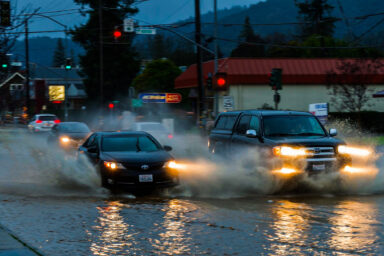
From New York Magazine: “It had been the deadliest American flash flood in 50 years, with 137 killed across RV parks and riverside hotels, campgrounds and vacation rentals. Water rose in some places more than 20 feet in 45 minutes. Other camps were submerged, other cabins ripped from their foundations, but no other camp reported a single death. In one case an 8-year-old at summer camp survived the flood, while at a nearby RV park, her father, mother, and two brothers were washed away. From the beginning [Camp Mystic] alums had trouble disentangling their grief from their intense loyalty to Dick and Tweety Eastland. ‘NEVER have I EVER felt unsafe at Camp Mystic nor have any of us EVER seen the river rise to this extent,’ wrote Mary Beth Weatherford in a widely shared Facebook post. The media, she said, was causing divisiveness.”
Cambodia Unveils Statue To Honor Famous Landmine-Sniffing Rat (Dana)
The author writes, “A famous mine-clearing rat, who was awarded a gold medal for his heroism, has been commemorated with the world’s first statue dedicated to a landmine-detecting rat. Magawa, who lived to eight years old, sniffed out over 100 landmines and other explosives in Cambodia during his five-year career that started in 2016. A statue of the rodent carved from local stone by artists was unveiled in Siem Reap, Cambodia on Friday, in time for the International Day for Mine Awareness on 4 April. Landmines remain an ongoing risk to Cambodia, and more than a million people continue to work and live on land contaminated by mines and unexploded ordnance.”