An Iran Peace Deal Would Put Israel at a Crossroads
If the US and Iran can negotiate a lasting peace agreement, Israel is the odd man out... and Prime Minister Benjamin Netanyahu faces a difficult choice.
|
Listen To This Story
 |
As the United States and Iran near the signing of a memorandum of understanding that will end their conflict and hopefully pave the way for a long-term peace deal, Israel is emerging as a wild card that could throw a wrench in these plans and prolong the war — and it seems as though Tel Aviv, which has been sidelined from the negotiations, is perfectly fine with that.
Top Israeli officials said on Monday that their country is not bound by the memorandum, which also stipulates an end to fighting in Lebanon.
“Israel is not subject to the United States, and we are an independent and sovereign nation!” stated National Security Minister Itamar Ben-Gvir.
While he emphasized Israel’s gratitude to Donald Trump, he stressed that his country is not America’s vassal state.
“We are not partners to this agreement that does not ensure our security, and it does not bind us in any way,” he said, adding that Israel should settle for nothing less than the dismantling of the terrorist group Hezbollah and that it should not withdraw from the territories it has captured.
Separately, Defense Minister Israel Katz also reiterated that Israeli forces would remain indefinitely in the parts of Lebanon, Syria, and Gaza that they are currently occupying.
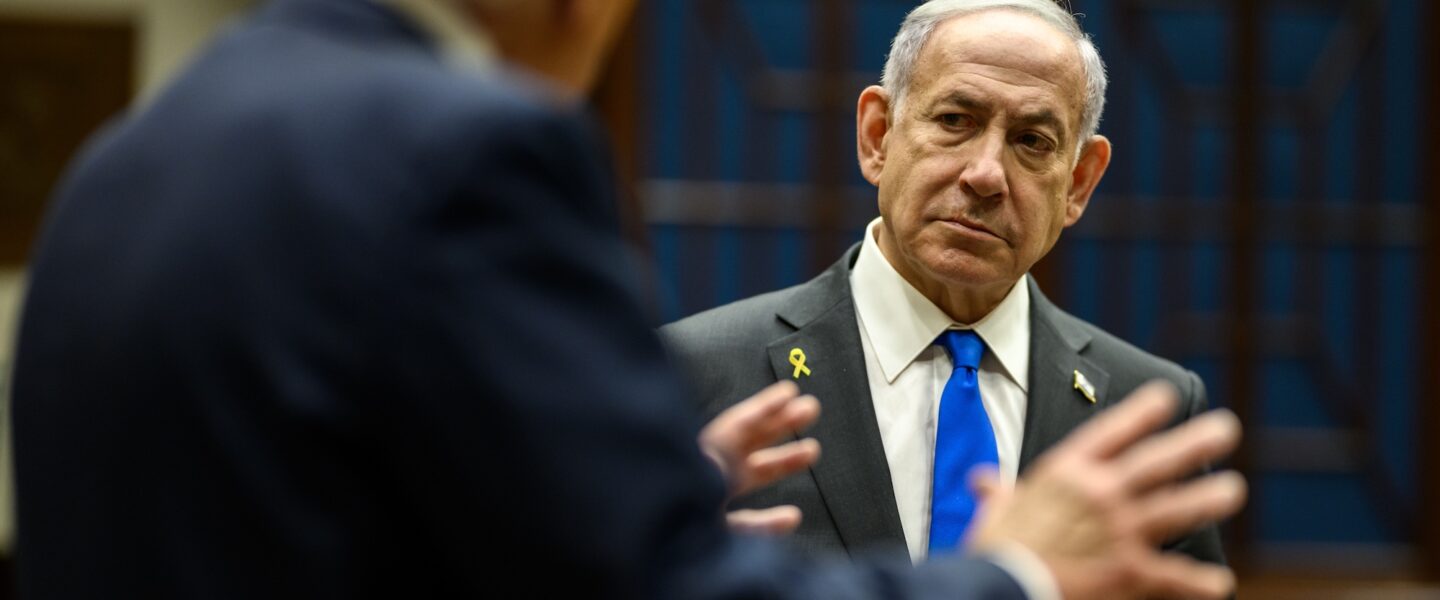
This is a big gamble for Prime Minister Benjamin Netanyahu and his government, who clearly want to prolong the conflict.
Roping Trump into a war with Iran was a golden opportunity to deal a devastating blow to Israel’s biggest enemy. However, Tel Aviv’s objectives have not been accomplished. There was no regime change in Tehran, and the issue of denying Iran a nuclear weapon has been postponed. In addition, it maintains a large number of missiles and drones.
In fact, the religious and military hardliners in Tehran may now be more entrenched than before, and the conflict has shown the regime that it has an economic weapon in its arsenal that is arguably as powerful as a nuke: closing the Strait of Hormuz.
Finally, it is possible that the deal will provide Iran with much-needed funds.
In addition, as long as the conflict drags on, Israel has been able to pursue its own goals elsewhere in the Middle East, primarily by attacking and occupying parts of Lebanon.
However, Trump wants to end the war as soon as possible because it is so unpopular at home and the resulting inflation is increasing the chances that the Democrats will take control of Congress next year — which would result in the kind of oversight he does not want.
This puts Netanyahu’s government in a real bind, because pursuing its own interests means alienating the volatile US president. And that is not something Israel can afford to do.
Following its brutal Gaza campaign in which tens of thousands of civilians were killed and many more displaced, Tel Aviv does not have a lot of friends left, and certainly none like the US, which provides it with money and weapons.
Therefore, it will be fascinating to see what Israel will do now.
There is a case to be made that a peace deal between the US and Iran that deprives Tel Aviv of its carte blanche to attack its neighbors is much less desirable to Israel than a prolonged war. If Netanyahu could extend the conflict while blaming Tehran for it, we have little doubt that this is the option he would pick.
If that is off the table, however, he has to choose between going along with a deal he hates… or violating it and risking Trump’s wrath.